
Rider Guide
A bit of knowledge goes a long way...
Mountain bike hints, tips and helpful information
Planning and preparation
A bit of preparation and thought can make the difference between a great day on the bike and a nightmare.
Despite the perception, mountain biking is not necessarily dangerous. Less dangerous than riding on the road that’s for certain. But it does come with risks of course. The risks are exacerbated by the terrain and remoteness of riding in the big wild outdoors. That’s what adds to the excitement!
As with all risks, we can reduce our exposure to them and reduce or mitigate their effects. Here’s some tips to help keep safe, but use your head to think things through before you head out.
Plan ahead
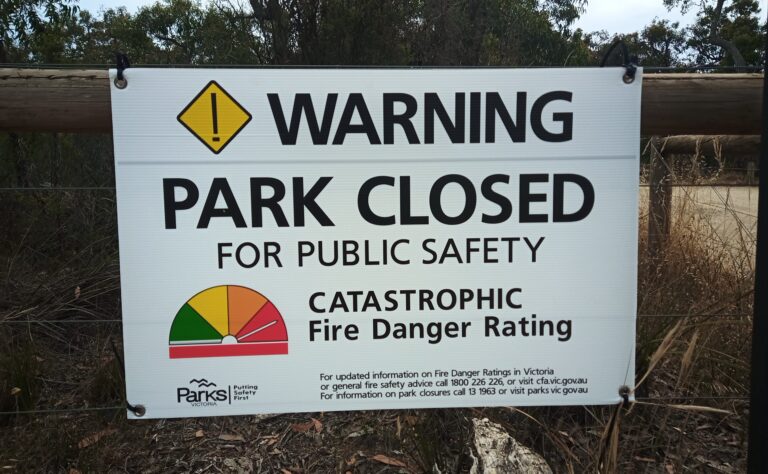
Think about the ride and the conditions. Some questions you may want to ask yourself:
- Are all the trails open?
- What’s the weather going to do?
- How technical is the terrain?
- What’s the bushfire risk?
- How am I feeling today?
- What’s my fitness like at the moment?
Check the route to make sure you know what to expect on the trails.
Can you handle it? (be honest with yourself here…)
Know what you will do if you get injured or lost.
Have ambulance cover.
Have the right kit
Check your bike (see the ABCDMe tip) before your ride and service it regularly.
Get a good helmet, make sure it fits correctly and change it if it’s damaged or old.
Have the right clothes for the weather (yes, the weather can be a teeny bit changeable in Victoria), and something to change into afterwards.
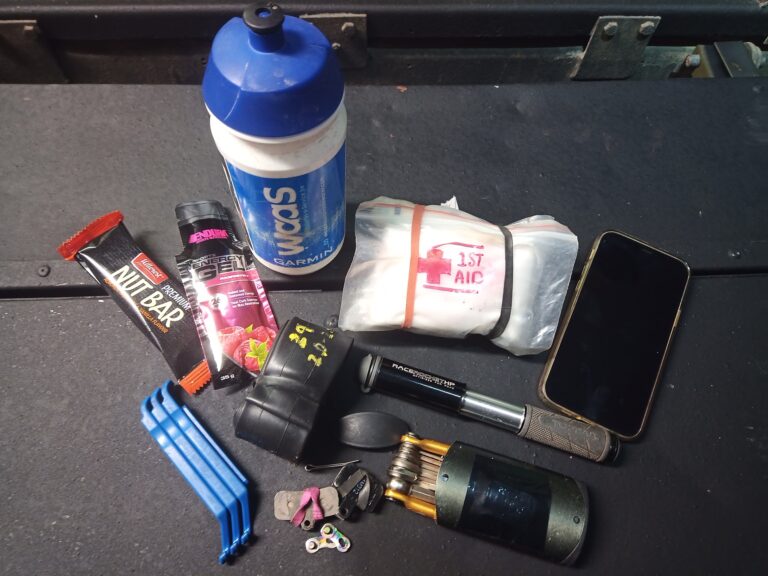
Take some essentials: water, food, basic first aid kit (including a snake bandage), sunscreen, bug repellent, phone (charged), pump, inner tube, tools/spares.
Know where you’re going and take a digital or paper map.
Ride within your abilities
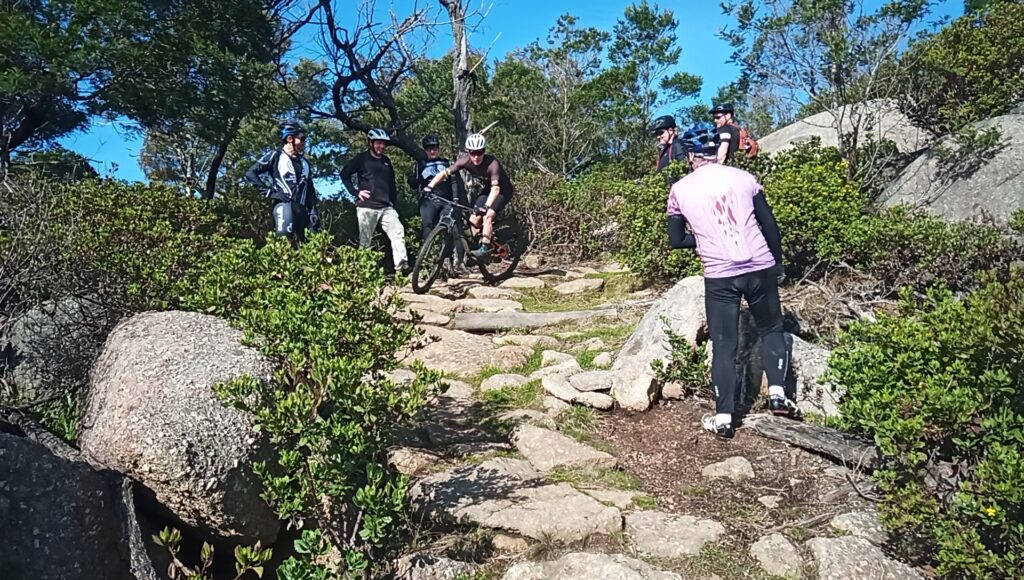
Better to walk that feature today and return when you’re a better rider, than injure yourself and end today’s ride early (possibly in an ambulance). Practice and get the skills to be able to hit that feature when you’re ready.
If you’re scaring yourself by going too fast and out of control, back it off and build up your skills for another time – there’s probably no UCI points up for grabs today.
It’s also worth thinking about this in terms of the situation you’re in too. If you are alone and riding at night say, it may be worth taking it a bit easier than if you’re with a few mates at a busy trail centre on a public holiday.
Know what you're going to do when it all goes wrong
There’s a bunch of things you can do before you leave for your adventure to help you deal with unforeseen events.
Check whether there is mobile coverage, how far the nearest ER is and think about what you’re going to do if you (or your mates) have a mechanical or a crash. Don’t wait until someone hits a tree to think about it.
Consider investing in a Personal Location Beacon (PLB) which alerts emergency services via satellite and broadcasts your location if you press the button (no need for a mobile signal).
Does someone know where you’re going to ride so they can direct the search when you don’t turn up at work on Monday?
Download some emergency apps to your phone before you go:
What3Words gives you three words that equate to a specific three square metres anywhere in the world. Emergency responders can locate you without having to rely on a dodgy description of where you are or long GPS reference.
Emergency+ is the Australian Government emergency services App that uses the phone’s GPS and speaker capabilities during an emergency to help responders deal with your issue and locate you.
Emergency Vic allows you to set alerts for your location so authorities can notify you of local issues. Really handy on hot days if there is a bushfire risk.
The ABCDMe Bike Check
This is a helpful methodical way to quickly check your bike before (and during) your ride:
A – AIR – are your tyres and wheels in good condition, fixed firmly an at the correct pressure?
B – BRAKES – Have they got some meat on the pads and do they hold the bike without the levers hitting the bars?
C – CHAIN – is it lubed and do the gears shift properly (enough)?
D – DROP – pick the bike up and drop it onto its tyres from a few inches. Does it make any funny noises or is anything loose?
Me – ME – are you ready? take a minute to check your helmet and make sure you’ve got everything you need for the ride.
Rules of the Trail
International Mountain Biking Association (IMBA) Rules of the Trail
These rules are generally accepted as the standard for behaviour, etiquette, safety, and respect on the trails. It’s good to get familiar with them before you head out. (These are their words, not ours)
Respect the landscape
Respect your local trail builders and be a good steward of the physical environment. Keep singletrack single by staying on the trail. Practice Leave No Trace principles. Do not ride muddy trails because it causes rutting, widening and maintenance headaches. Ride through standing water, not around it. Ride (or walk) technical features, not around them
Share the trail
Most of the trails we ride are multi-use. Mountain bikers yield to horses and foot traffic, and descending riders yield to climbing riders*. This yield triangle has been formally adopted by land managers since the late 1970s and is a significant reason why we have the access we do. There are some regional differences and unique rules on single-use, directional mountain bike trails—know the code where you ride. Be nice. Say hi.
Ride open, legal trails
Poaching trails, building illegal singletrack or adding unauthorized trail features are detrimental to our access.
Poorly-built features could also seriously injure other trail users. If you believe there aren’t enough trails or variety near you, it’s time to get involved. Your engagement will be welcomed because it takes a village to create, enhance and protect great places to ride.
Plan ahead
Be prepared and self-sufficient. Every mountain biker should carry what they need for the ride they’re undertaking, and know how to fix a flat tire and make minor repairs. Download a GPS trail app on your phone for navigation or carry a map in unfamiliar locations. Ride with a partner or share your riding plan with someone if you’re heading out solo.
Mind the animals
When it comes to wildlife, live and let live. In some places, running cattle and disturbing wildlife are serious offenses. If you want to ride with your dog, first find out whether or not it’s allowed by looking up the leash laws. Be prepared to take care of your dog. Ensure your companion is obedient enough to not cause problems for you, other trail users or wild animals.
*MTB Victoria note: There is some debate about whether riders coming downhill should yield to climbing riders. Generally a climbing rider becomes aware of a descending rider sooner due to the noise of the descender, so can prepare to yield earlier. The climber, at a slower speed also has the ability to stop more easily. However, our advice is prepare to yield to everyone whatever direction they are going in. Don’t assume the other rider knows the rules or is going to follow them. But definitely be nice and say ‘Hi’.
Types of Mountain Bikes
The right tool for the job
Choosing the right type of mountain bike can make or break your experience.
Not all mountain bikes were created equal. Different types of MTBs are designed for different purposes and below you will find the main categories of bikes. Most MTBs now run 29-inch wheels for full size bikes, but some manufacturers' small and extra small sizes come with 27.5-inch wheels.
Which type is right for you? Think about what you are going to spend most of your time doing on it and start from there. Luckily there are some do-it-alls that are suitable for lots of different types of riding. Then after a while you'll realise you need at least one of each and a bigger shed.
Leisure/commuter
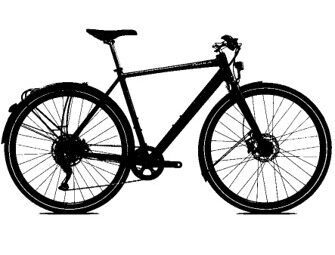
Great for cutting it around town and on a gravel rail trail. Not so good when the going gets rough as they may not be designed to take it. ASTM Cat 1/2
XC Hardtail
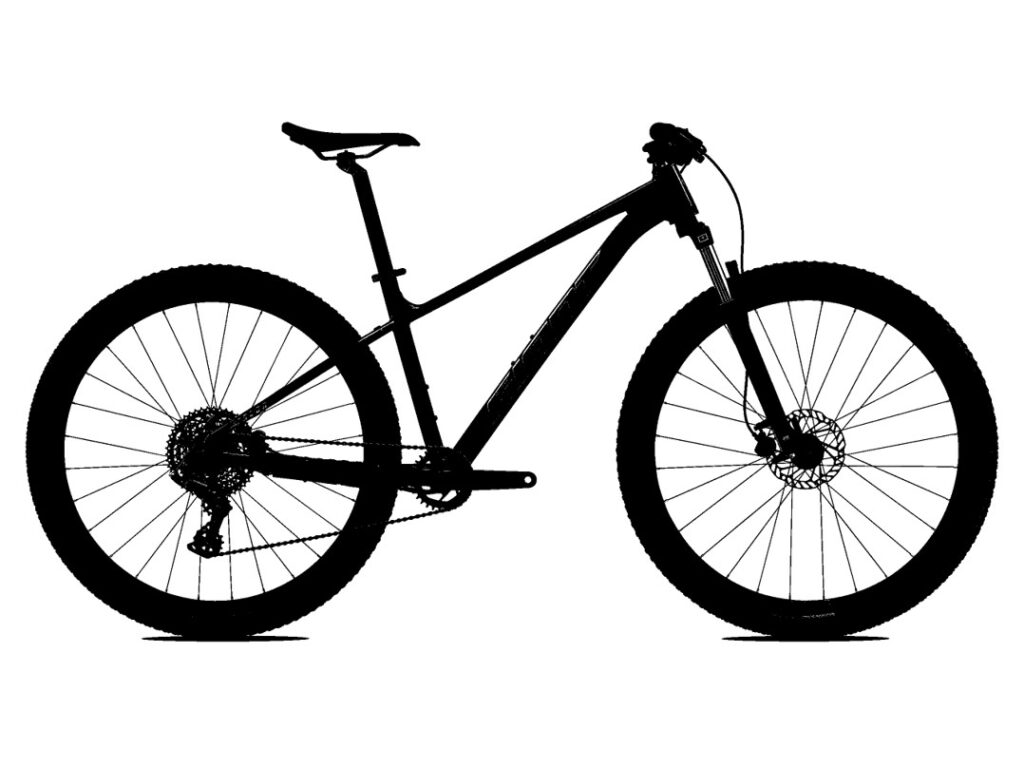
Hardtails are light and fast; good at going up and down on smoother trails. Most entry level MTBs are hardtails because they are capable enough, lighter, less expensive and require less maintenance than full suspension bikes. Hardtails are a great way to learn MTB skills. ASTM Cat 2/3
XC Full Suspension
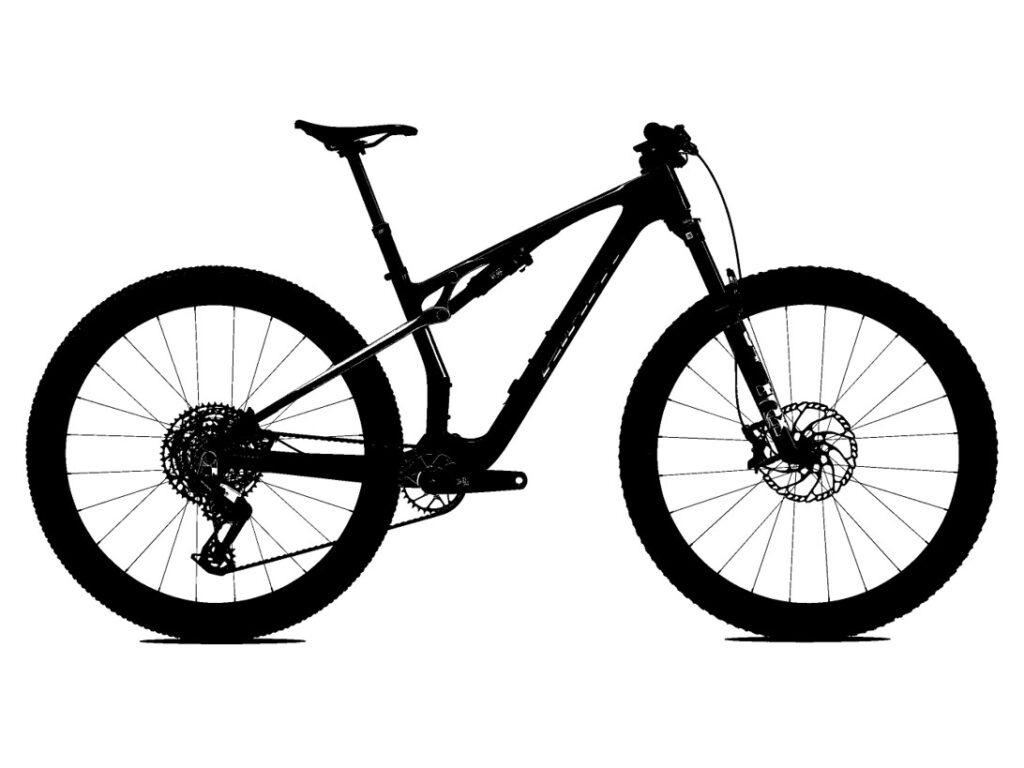
Light and short-travel full (dual) suspension bikes with geometry that’s great for climbing and putting power down. Fast fun and good for some rough stuff until it gets really rowdy on the trail. ASTM Cat 3
Trail
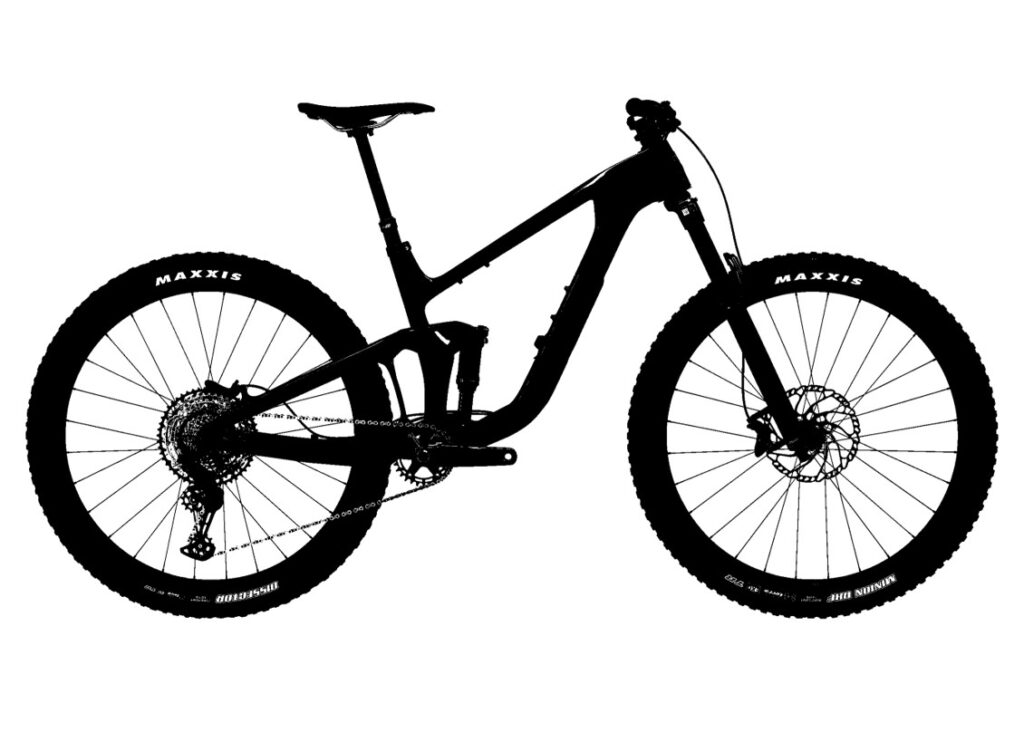
The do-it-all bike. They can go up and have longer travel suspension and more relaxed geometry to keep things stable on the downs. Smiles all day on one of these. ASTM Cat 3/4
Enduro
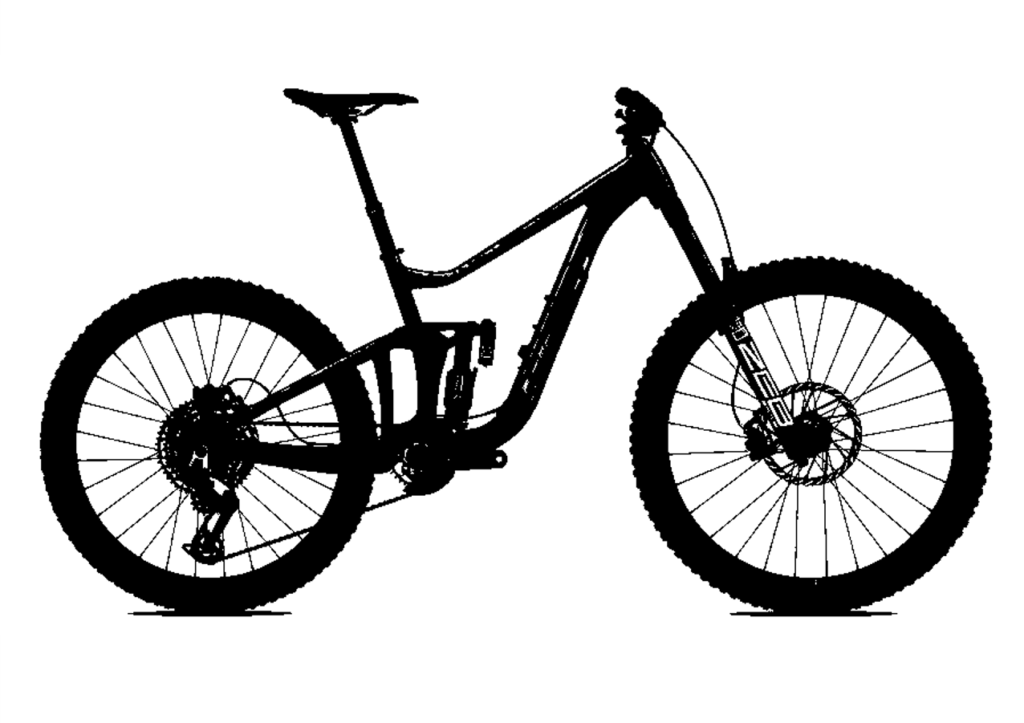
Long travel bikes that can go uphill – sort of. More focussed on the downs with lots of suspension, big brakes and built to withstand big hits. ASTM Cat 4/5
Downhill
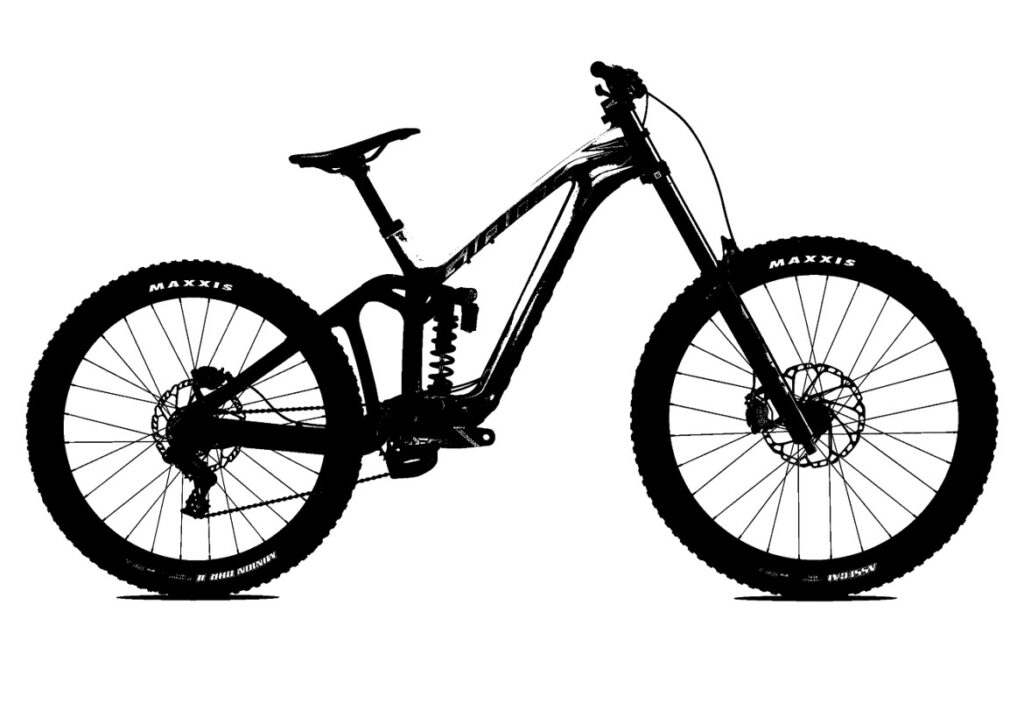
Heavy duty, heavy as an anvil, and stable as a rock. Dual crown, long-travel suspension with big tyres and big brakes. Purely for the descents. This example is a Mullet with a 27.5-inch rear wheel and 29-inch up front. ASTM Cat 5
ASTM Bike Categories
ASTM* Classification of Intended Use for Bicycles
Is your bike up to the job? Helpfully, the bike industry has adopted the following categorisation standards to help buyers understand what the bike is designed to be used for. These are usually found on the frame somewhere, along with the overall weight limit (rider plus kit). Not all manufacturers use them however, particularly on the cheaper bikes, so be wary. Even though your bike may come with chunky tyres it doesn’t necessarily mean it’s up to the job of massive air or pumping rock gardens.
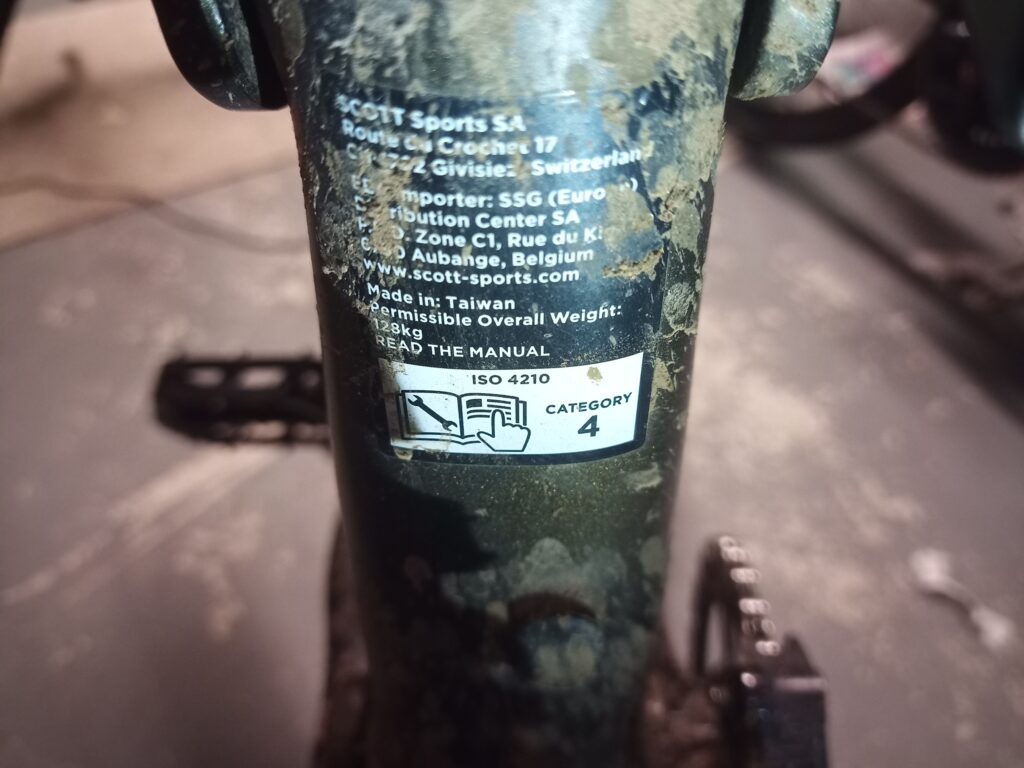
1 - Road
The operation of a bicycle on a regular paved surface where the tires are intended to maintain ground contact.
2 - Gravel/Cyclocross
The operation of a bicycle that includes Condition 1 as well as unpaved and gravel roads and trails with moderate grades. In this set of conditions, contact with irregular terrain and loss of tire contact with the ground may occur. Drops are intended to be limited to 15cm (6″) or less.
3 - XC/XC Marathon
The operation of a bicycle that includes Condition 1 and Condition 2 as well as rough trails, rough unpaved roads, and rough terrain and unimproved trails that require technical skills. Jumps and drops are intended to be less than 61cm (24″).
4 - Trail/Enduro
The operation of a bicycle that includes Conditions 1, 2, and 3, or downhill grades on rough trails at speeds less than 40 km/h (25 mph), or both. Jumps are intended to be less than 122cm (48″).
5 - Downhill
The operation of a bicycle that includes Conditions 1, 2, 3, and 4; extreme jumping; or downhill grades on rough trails at speeds in excess of 40 km/h (25 mph); or a combination thereof.
*ASTM International, formerly the American Society of Testing Materials Organisation – the dudes what put this classification together.
Anatomy of a Mountain Bike
Name that part...
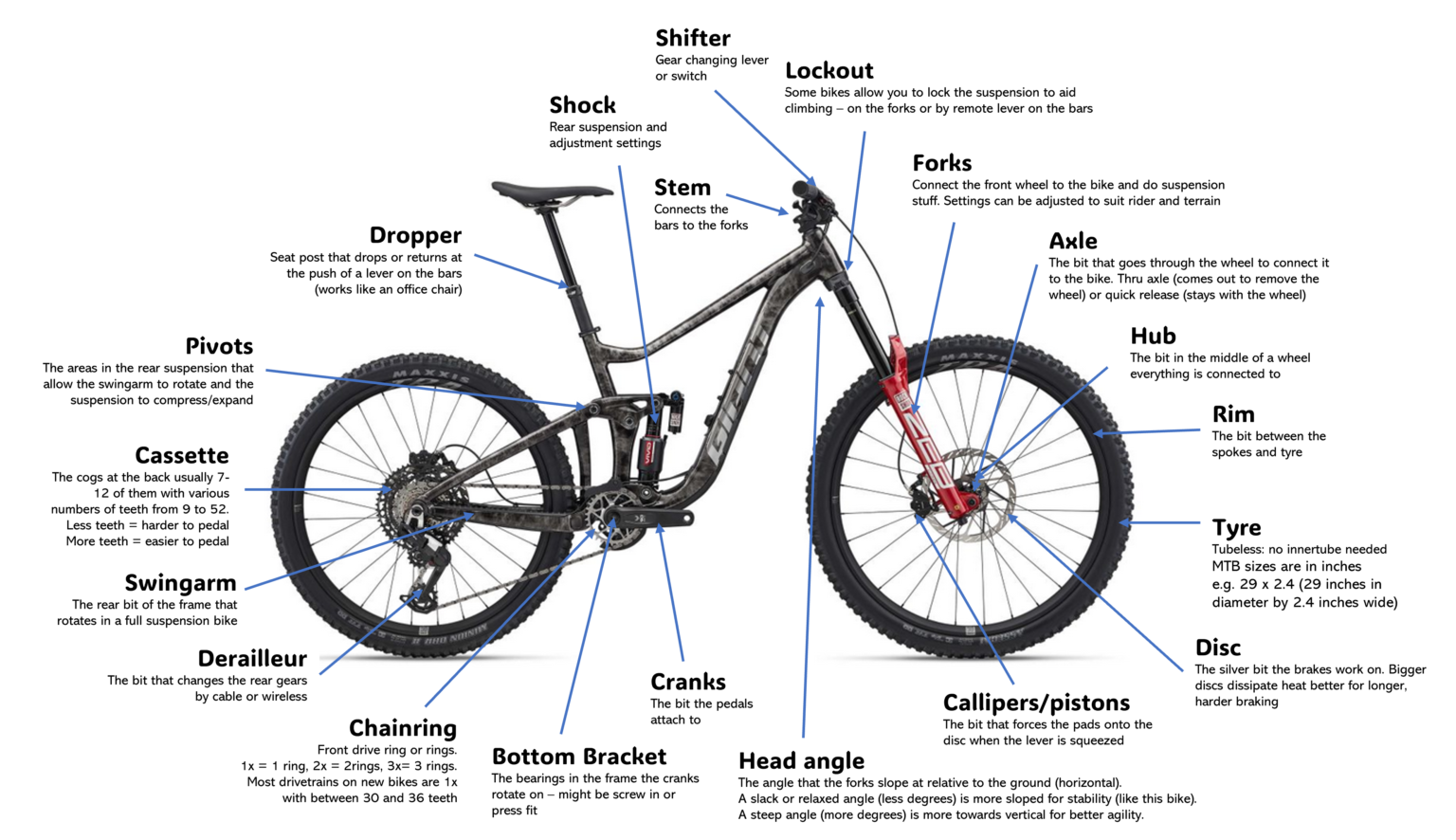
Here’s descriptions of some parts of a mountain bike. It’s not definitive, but it might help you understand what’s going on when you take your bike in for a service and they tell you why they’re about to empty your wallet.
Dictionary of Mountain Bike Slang
Speak like a local
Don’t know your axle from your elbow pad? Here’s a list of some MTB terminology and slang so you can understand what the hell people are talking about on the bus to the top.
A-LINE -The hardest (and usually quickest) line through a trail or feature.
AIR – The distance between the ground and your tyres measured vertically, horizontally or both (and usually multiplied by two when telling people about it).
B-LINE – The next easier line on a trail after the A-Line and usually a bit slower.
BABY HEADS – Little rocks loose or stuck in the trail that are the size of babies’ heads and throw your wheel off line.
BAIL – Leave unceremoniously – the bike, the feature, the ride. Generally to avoid a stack or embarrassment or both.
BERM – Banked corner.
BOOTER – A jump with a skyward trajectory which might result in reaching the moon and/or having to wear a moon-boot for the ensuing broken leg.
BURP – When a tubeless tyre rolls on its rim and burps out all the air in one go (usually due to under-inflation or damaged rim).
CAKE – Yes please!
CASE – Just about make a jump, usually by clipping the top or wrong side of the landing, or inside of a gap.
CLEAN – Ride a section without dabbing a foot or stacking, or complete a jump or trick perfectly. Nice.
COFFEE – It’s not just for Roadies you know. Essential caffeine-laden pick-me-up.
DAB – Pop a foot on the ground to prevent overbalancing. Not usually a desirable thing when trying to clean a section.
DH – DOWNHILL – the discipline, terrain or bikes designed for this type of riding.
DIALLED – Got it nailed, riding with perfection, or the bike is riding perfectly.
DOUBLE – A pair of jumps where the aim for the brave is to jump off the first one an land on the down ramp of the second. Double-scarier than a tabletop of the same size.
DOUBLE-TRACK – A fire-road with room for two riders side-by-side.
CUTTY – A controlled skid/flick of the rear wheel to make a tight turn without losing too much speed.
DROP-OFF – A vertical step-down drop such as off a big rock or log. Some can be rolled off; bigger drops may need to be jumped off.
E-BIKE – Electric motor assisted pedal bike.
ENDO – A rear-wheel lift by rotating forwards on the front wheel. Also called a Stoppie.
ENDURO – A type of race/event where the downhills are timed and the uphills or transitions are part of the event, but not timed. The bikes designed for this type of riding.
FACE PLANT – landing on your face, usually after a stack or OTB moment.
FEATURE – Something on the trail that to some is an obstacle, to others is an opportunity, such as a rock garden or gap jump, root or log.
FLOW– a primarily descending trail that flows well, not requiring any real pedaling to maintain speed. May include berms and jumps. Also FLOW (always in capitals) as the state of transcendence when the body, bike, and mind are as one and you’re nailing everything on the trail.
FREERIDE – Riding off stuff, up stuff and down stuff – making features out of the terrain. The discipline, terrain, or bikes made fro this type of riding.
GAP – Literally a gap. Perhaps between the take-off and landing zone of a jump, usually filled with a broken shovel and star picket for extra jeopardy.
GARMIN – A GPS cycle computer of the Garmin or any other brand, used to plan, navigate and record rides to upload to Strava.
GEL – High carbohydrate energy food usually combined with hydrolytes and flavours in a snot-like form.
GNARLY – A bit tricky and/or scary.
GROM – Child rider that has better skills than you and knows no fear.
HAND CUT – Trails built with shovels, picks and elbow grease. Tend to be narrower and rougher than machine-built trails.
HANG TIME – The time spent off the ground during a jump or drop.
HARD-PACK – Firm, dried mud that forms a concrete-like surface (until it rains), can be very grippy or covered with loose dirt to make it extra slippery.
HERO-DIRT -A rare phenomenon where the trail surface is in excellent condition and gives optimum grip, such as the few scarce minutes between the trail being too wet or too dry.
KICKER – A steep jump or an extra little jump on top of a jump that sends the rider straight upwards – good for hang time and face plants.
K.O.M. -King of the Mountain – quickest male in the world over a segment (according to Strava).
LID – Helmet. Never ride without one. Not even in the car park as this is the place where some of the most stupid accidents tend to happen.
LINE – The path a rider chooses through a trail or feature.
LOOSE – Slippery trail surface, maybe sandy, loose dirt or gravel; or to ride a feature or section in a poor fashion.
LUBE – oil, grease, or wax – for your bike.
MACHINE BUILT – Trails that are constructed with help of machines – generally wider and smoother than hand-cut trails.
MANUAL – A coasting wheelie (no pedalling) and probably the coolest way to travel.
MECHANICAL – Something on your bike is broken or not working as it should.
MULLET – A bike running a smaller wheel at the back than at the front – usually a 27.5 rear and 29 at the front for DH duties. Party at the back, business at the front.
MUSCLE BIKE – Human powered, not an E-bike. Ride one of these an you are already a hero.
N+1 – The algebraic formula for how many bikes a person should own at any given time, where ‘N’ equals the current number of bikes owned.
N.B.D. – New Bike Day – A rare phenomenon where the N+1 bike ownership formula becomes untrue, just for a moment.
NOSE PIVOT -An Endo combined with sideways rotation of the bike, pivoting around the front wheel. Used on uber-tight downhill switchbacks to change direction on the spot.
OFF-CAMBER – The ground is at an unhelpful angle, such as sloping down towards the outside of a turn, or sloping steeply across the trail.
O.T.B. – Over the bars – no-one’s preferred position.
PASSENGER – No longer in control and just waiting for the outcome of the chain of events that is about to conclude, always hoping but unlikely to end well.
PIE – Post ride re-carbing, with or without sauce.
PINNED – Ride a section or trail fast and in control.
POACH – Ride a trail that is closed, illegal, or not yet complete. The bane of trail-builders and hikers.
P.R. – Personal Record (same as a Personal Best) on a timed section, generally refers to getting a little gold medal on a Strava Segment.
PUMP – Use pressure through the bike to make it heavy then light (or vice versa) to gain speed, increase jump height, start a maneuver, or fly over an obstacle.
PUMP TRACK – Small, usually circular or figure eight track, increasing asphalted, that has a series of humps and berms that enable a rider to gain and maintain speed using only pressure through the bike (pumping). The aim is not to pedal at all.
Q.O.M. – Queen of the Mountain – quickest female in the world over a Segment (according to Strava).
RAD – Pretty good, short for radical (man).
RAIL – Ride well, particularly a corner or berm, as if the rider was on rails.
RHYTHM SECTION – A series of rollers (say about 5 plus) in close succession with no space between them.
ROCK GARDEN – A section of the trail where there are a load of rocks or large stones together; loose or fixed in position or most likely both, forming a feature.
ROLLER – A smooth lump/hump in the trail you roll over.
ROLL-OFF – A steep short descent that can be rolled down, such as off a log or rock.
ROWDY – Bumpy, rocky or rooty section where things are bouncing around.
SCRUB – Absorb a jump and stay low rather than get massive air – a quicker way over a jump if that’s your aim; or to reduce speed if travelling too fast.
SECTION – A distinct part of a trail such as between two landmarks or through a set of features.
SEND IT! – Launch down a trail or commit to a feature.
SEGMENT – Named section of a trail/route which has been saved in Strava to record people’s times against. Often then segment name becomes what the section is known as.
SESSION – Repeat ride a feature or section so you can clean or perfect it.
SHRED – Ride well.
SHUTTLE – Getting to the top of the trail by way of a vehicle, which then meets you again at the bottom.
SINGLE-TRACK – A single-width trail with room for only one rider. The place where the good stuff happens.
SKETCHY – A section of a trail or feature that is scary, loose, difficult, or all three; riding with poor style or on the edge of control.
SKINNY – Narrow, usually wooden feature like a plank or narrow log elevated above the ground, requiring balance to ride along.
SLICK-ROCK – Where the trail surface is pure smooth(ish) rock. Could be a huge boulder, or the top of an outcrop, or a chute for example. Generally pretty grippy despite the name.
SNAKE BITE – Pinch puncture on a tyre with an inner tube that has two small holes that look like a snake bite – usually caused by under-inflation and rocky terrain.
STACK – crash and/or fall off, usually at speed.
STEP-DOWN – A landing ramp or zone that is below the take off ramp.
STEP-UP – A landing ramp or zone that is above the take off ramp.
STRAVA – Fitness app that keeps track of your exercise, routes etc, and allows you to share them with the world and receive ‘Kudos’ in return . If it’s not on Strava, it never happened.
SWITCHBACK – Tight 180 degree plus corner usually found on steeper hills.
TABLETOP – Jump with a flat top between the take-off and landing ramps.
TRAIL – The dirt track or tracks you’re going to shred. Also TRAIL – Riding uphills and downhills and enjoying the park. The discipline, terrain, or bikes designed for this type of riding.
TRAIL ALE – Post ride beverage of the fermented hops and barley variety.
TRAVEL – How much suspension you have or have used, expressed in millimetres (or inches).
UP-LIFT – Get a ride up to the top somehow, e.g. vehicle, chairlift, helicopter, Sherpa.
WASH OUT – Where the wheels slide out from underneath you in a corner; or where the trail has been washed away by water, perhaps making a new feature.
WHEELIE – Lift the fron wheel off the ground to tackle a feature or show off. The second best way to travel after the Manual.
WHIP – Flick the rear wheel sideways in a corner or jump to add style or scrub speed or just for fun.
X.C. – CROSS COUNTRY – General trail riding where going up is as much part of the experience as going down. The discipline, terrain, trail, or bikes designed for this type of riding.